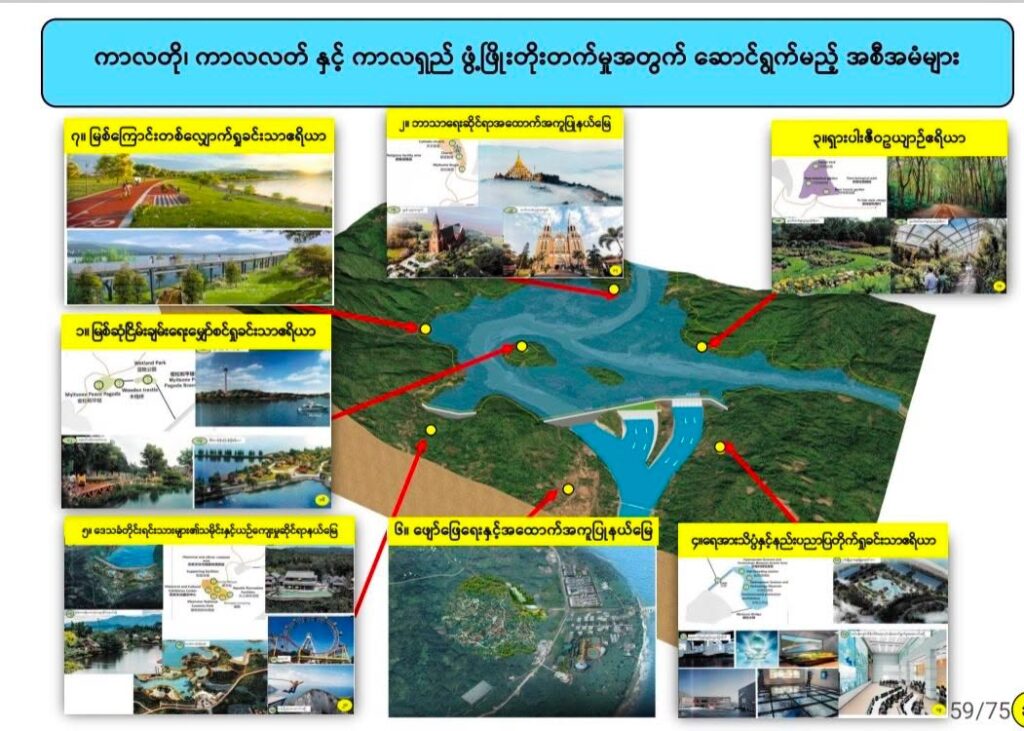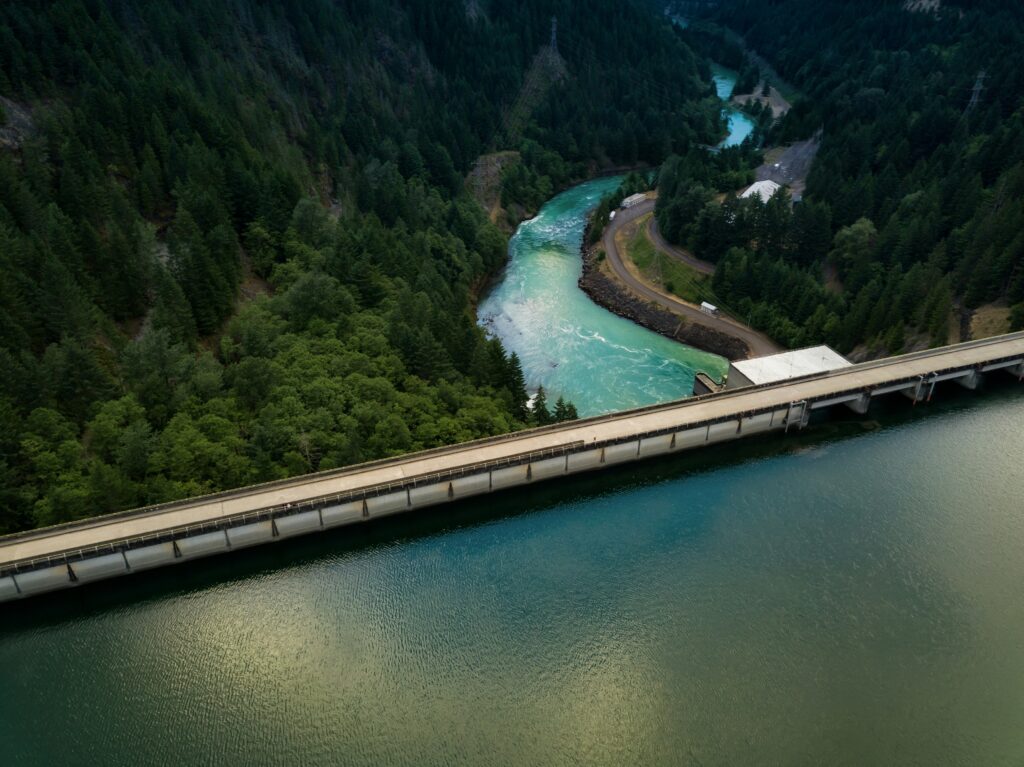
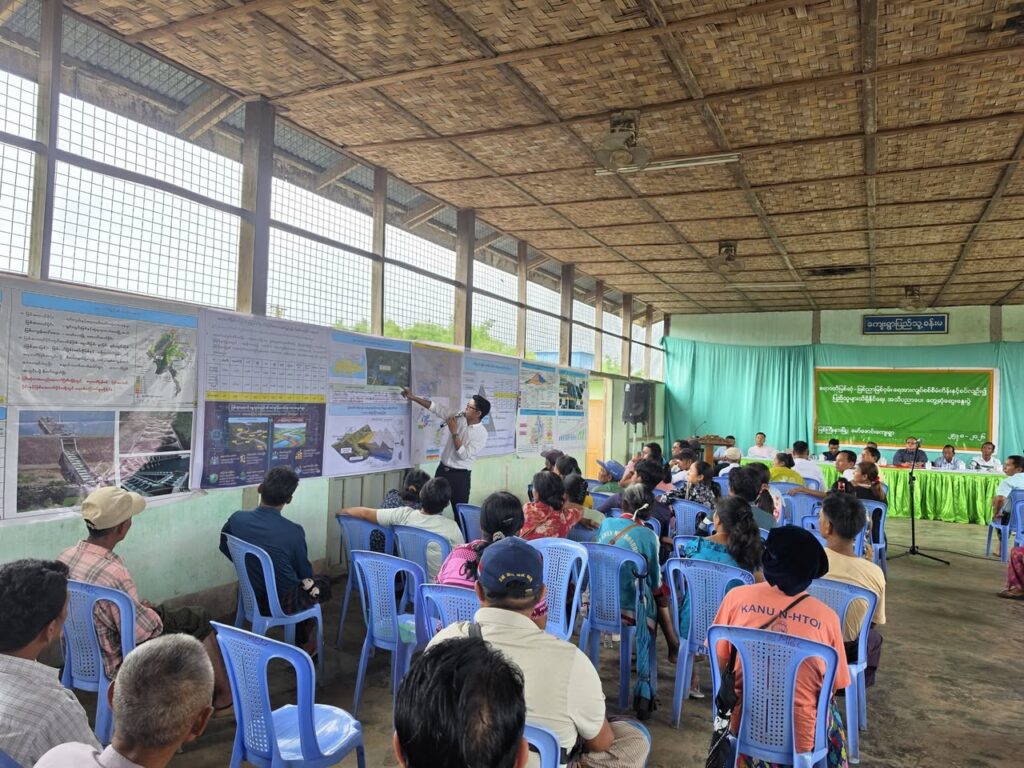
Hydropower dams use flowing water to generate clean electricity. They provide reliable, renewable energy but also impact local ecosystems. Below is a dummy post template you can use to test your blog’s layout, fonts, and formatting. [1, 2, 3, 4, 5]
The Power of Water: How Hydropower Dams Shape Our Energy Future
Introduction
Modern society requires vast amounts of electricity. As we shift away from fossil fuels, renewable energy sources are taking center stage. Hydropower dams are currently the largest source of renewable electricity worldwide. [6, 7, 8]
This article explores how these massive structures work, their benefits, and the environmental challenges they face. [9, 10, 11, 12]
[Optional: Insert a high-resolution image of a scenic hydropower dam here]
How Hydropower Dams Generate Electricity
The concept behind water power is simple but highly efficient. It relies on a few key components working together: [13, 14, 15, 16]
- The Reservoir: Stores a large volume of water.
- The Intake: Opens to allow water to flow through the dam.
- The Penstock: A long pipe that channels the rushing water.
- The Turbine: Large blades that spin from the water’s force.
- The Generator: Converts the turbine’s mechanical energy into electricity. [17, 18, 19, 20, 21]
“Hydropower captures the natural energy of flowing water to light up millions of homes safely and efficiently.”
The Major Benefits of Hydroelectric Energy
- Clean Power: Dams emit no greenhouse gases during operation.
- Grid Stability: Operators can start or stop power generation in minutes.
- Water Storage: Reservoirs provide drinking water and irrigation for crops. [22, 23, 24, 25, 26]
Environmental and Social Challenges
While the energy is clean, building a dam alters the local landscape. Flooding creates reservoirs that can displace communities and destroy wildlife habitats. Additionally, dams can block fish migration paths, disrupting river ecosystems. Modern engineers are designing fish ladders and bypass systems to minimize these impacts. [27, 28, 29, 30, 31]
Conclusion
Hydropower remains a cornerstone of the global transition to green energy. Balancing our need for clean electricity with ecosystem preservation is the next great challenge for engineers. [32, 33]
To help finish your actual article, tell me:
- Who is your target audience (students, engineers, eco-conscious readers)?
- What is the main goal of the post (educational, opinion piece, news update)?
- Do you need help writing a catchy SEO title and meta description?
Let me know how you would like to customize this template!
[12] https://www.ted.com
[14] https://www.ck12.org
[15] https://fdehydro.com
[21] https://fdehydro.com
[22] https://byjus.com
[29] https://www.dw.com
[33] https://medium.com